For equipment and product manufacturers

Let your buyers try it before they buy it

Your product is too big to bring to a meeting and too complex for a spec sheet. We build 3D, augmented reality, and virtual reality experiences that put it in front of buyers anyway.

Book a 30-minute call

The problem with selling big, complex things

Most equipment buyers want to understand a product before they talk to a rep. That works for a phone. It doesn't work for a storage tank, a flare stack, a crane, or a modular data center.

There's no free trial for heavy equipment. So buyers squint at drawings, sit through slide decks, and wait for a site visit. Deals stall. The buying committee never quite agrees on what they're getting.

We fix that by making the product something people can see at full size, spin around, configure, and even operate. On a website, in their own space, at a trade show, or in a headset.
What we build

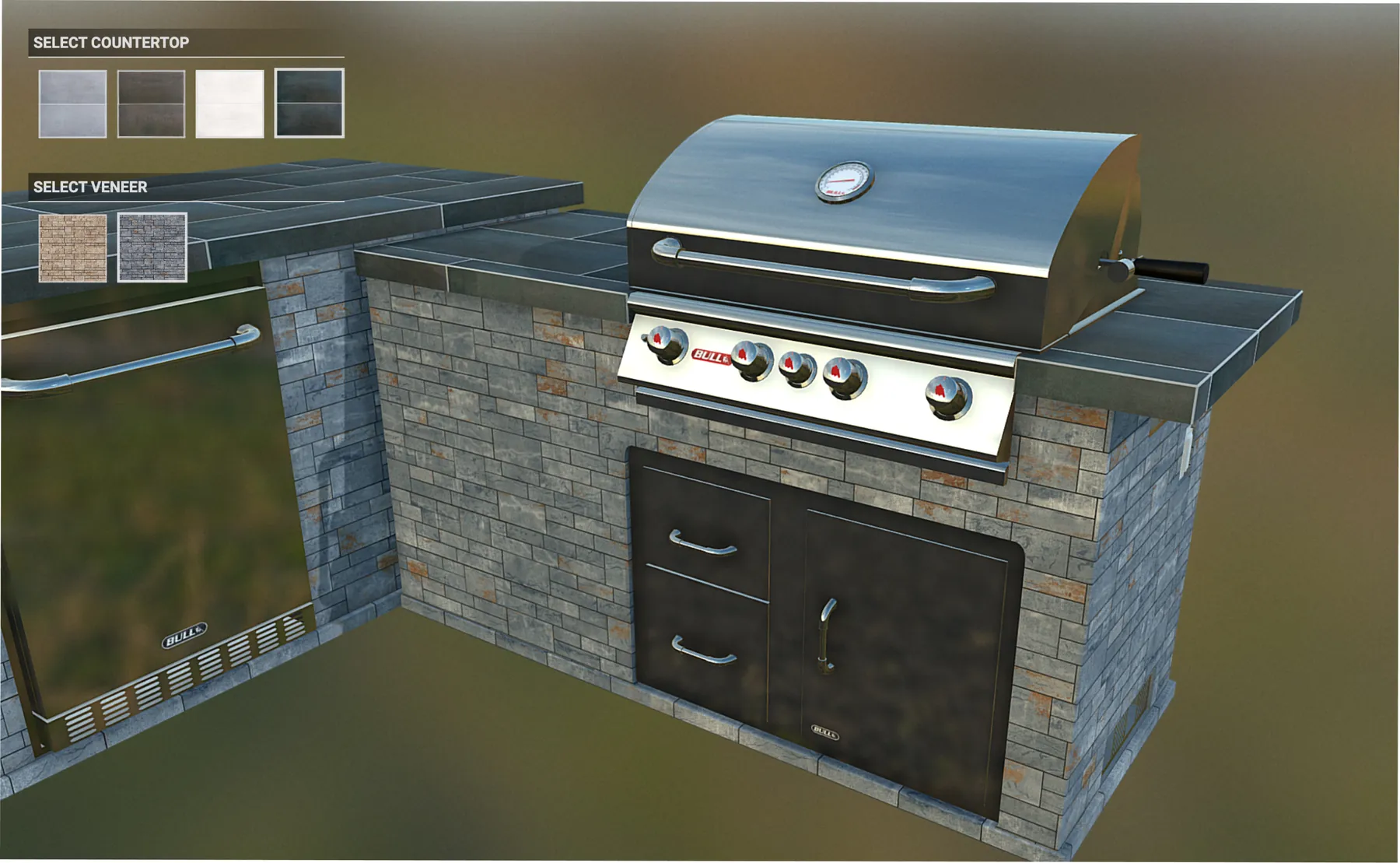
  • 3D product configurators on your website. Buyers pick options, see the result, and send a spec to sales. Works in any browser.
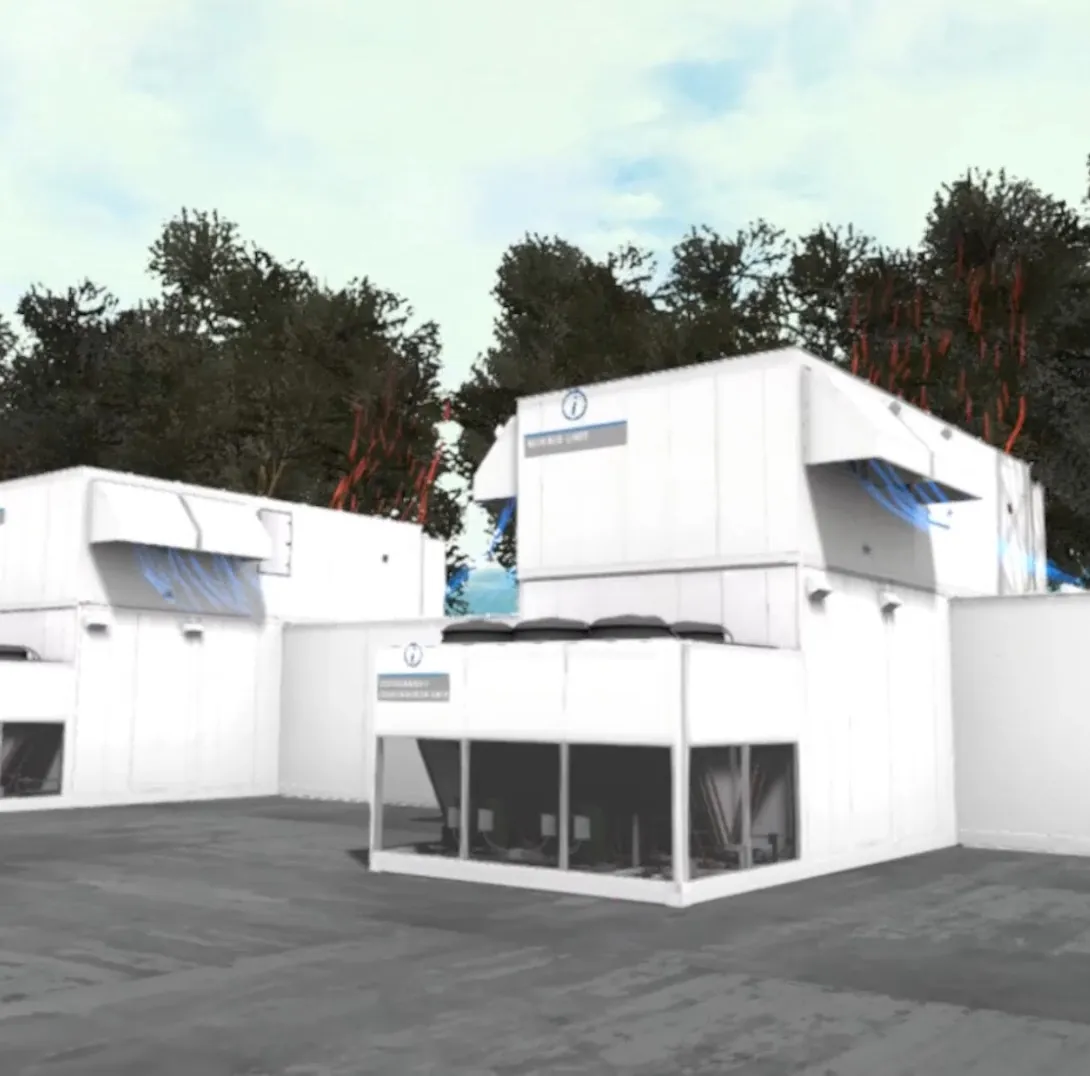
  • Augmented reality in the buyer's space. Drop the product into a plant floor, a yard, or a parking lot at true scale. Much of our AR runs in the browser, so there's no app to download.
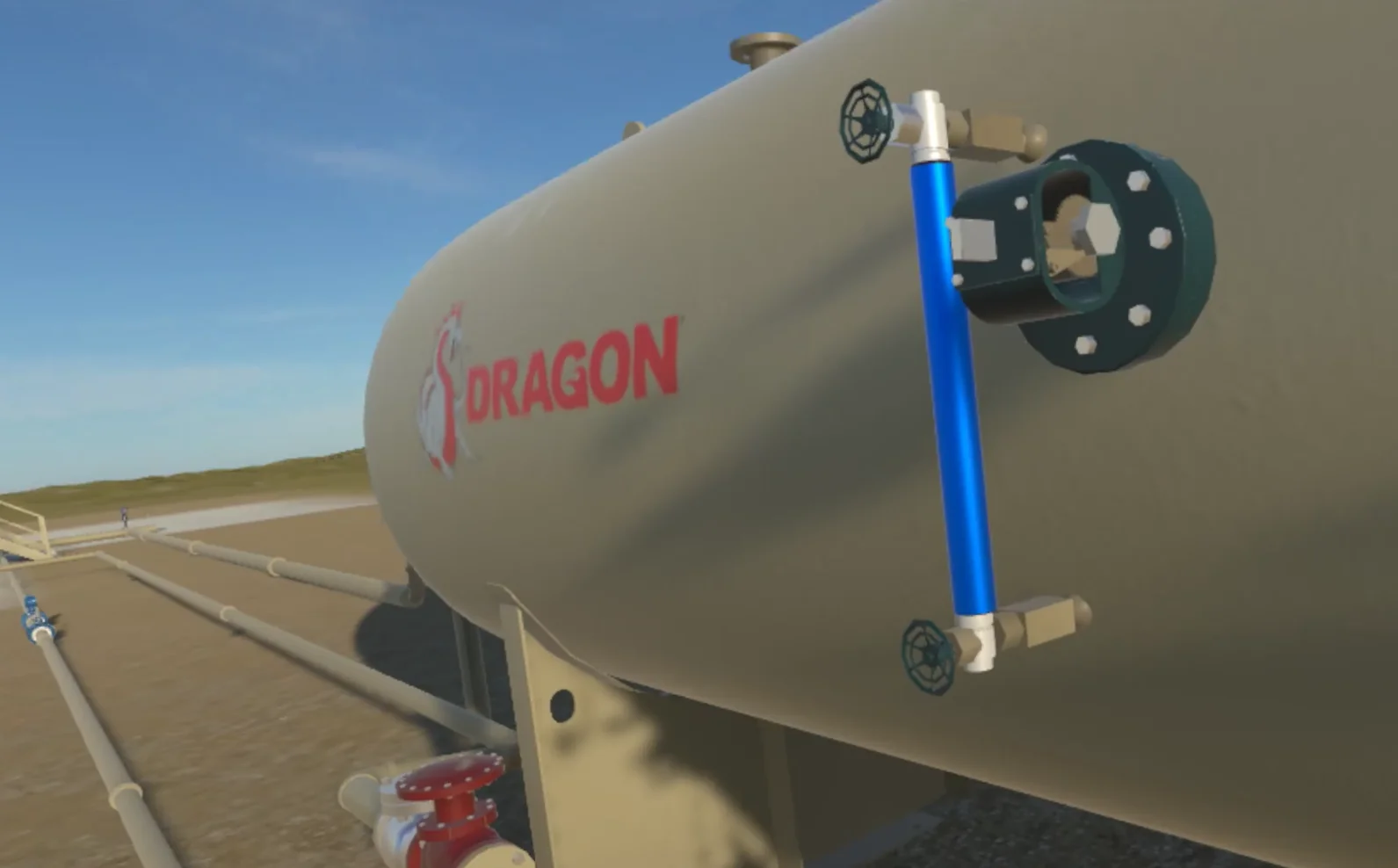
  • VR test drives. Let buyers operate and maintain the equipment in a headset before it exists in their facility.
  • Trade show experiences. VR stations, interactive projections, and hands-on simulations that pull people into the booth and give reps something to talk about.
  • Training from the same models. The 3D you build for sales can also teach operators and service techs. One set of models, two payoffs.
  • 3D animation and video. Cutaways and walkthroughs that explain how the product works inside.

Work for manufacturers and industrial brands

Why this works in B2B sales

An October 2025 study in the Journal of Personal Selling & Sales Management interviewed 26 B2B salespeople, 10 buyers, and 4 XR experts from 31 companies, in industries like machinery, chemicals, and aviation. It found that 3D and immersive tools simplify product evaluation, help buying committees agree, make personalization easier, and shorten sales cycles. The effect was strongest for complex products with many people involved in the decision.

That matches what we've seen over nine years of client work. Read our breakdown of the study.

How a project runs

  1. A 30-minute call. You tell us what's hard to sell or explain. We tell you which format fits, honestly, including when the answer is "just a good video."
  2. Your models, made real-time. We start from your CAD or engineering files and convert them so they run smoothly on the web, a phone, or a headset. No CAD? We model from drawings and photos.
  3. Build and test. You see working versions early and often, on the devices your buyers actually use.
  4. Launch and reuse. We ship it to your site, your reps' tablets, or your booth. Then we help you reuse the same models for training, service, and the next launch.

Frequently asked questions

How much does a 3D configurator or VR demo cost?

Most of our projects land between $50,000 and $200,000, depending on how many products, options, and platforms are involved. A smaller pilot, like one product in web 3D and AR, can start around $10,000. We'll give you a fixed estimate after a short call.

Do we need CAD files?

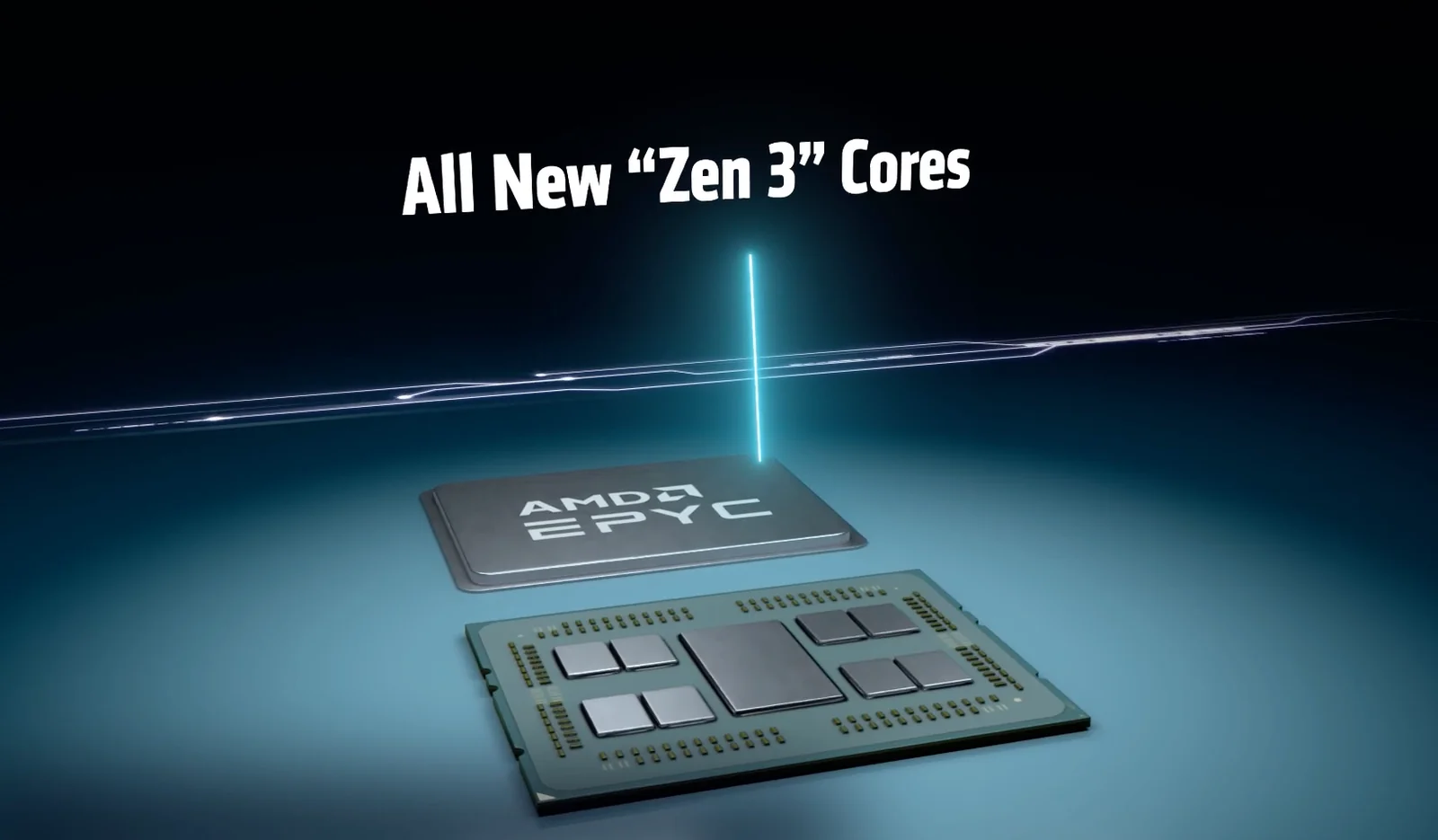
They help a lot, but you don't need them. CAD and engineering models are the fastest starting point. For AMD's EPYC launch, we took their engineering assets and turned them into interactive 3D and AR pages. If you don't have models, we can build them from drawings and photos.

Should we use a 3D configurator, AR, or VR?

It depends on where the buyer is. A web 3D configurator fits early research on your website. AR fits when fit and scale matter, like "will this fit in our yard?" VR fits when buyers need to operate the product or stand inside it, and at trade shows where you control the setup. Many clients start with web 3D and add AR, because the same model powers both.

Do buyers need to download an app?

Usually not. We build most AR and 3D experiences to run in a normal web browser on a phone or laptop. AMD's reviewers and Luckie's brand activation both used browser-based AR with no app.

Can the same 3D models be used for training?

Yes, and that's where a lot of the value is. Baker Hughes used our VR simulation to show flare stack operators how their system works. Dragon Products let buyers operate and maintain equipment in VR. Once the models exist, sales demos, operator training, and service guides can all share them.

Which headsets and devices do you support?

Meta Quest, Apple Vision Pro, iOS and Android phones and tablets, and any modern web browser. For trade shows we also build large interactive projections.

Where is Fair Worlds based?

Austin, Texas and Seattle, Washington. We work with manufacturers across the US and have shipped experiences for events in Europe, the Middle East, and Asia.

You might recognize some of our clients

AmazonDellThe New York TimesBlixNPTAMDEnvironmental Defense FundH-E-B
Fair Worlds

Want to see a few demos?

No pitch, just a look. Tell us what you make and we'll show you work that's close to it.