For retail merchandising and store teams

See the shelf before you set it

Merchandising decisions get made on spreadsheets and planograms, then tested in real stores with real labor. We build 3D and immersive tools that let your team see the result first.

Book a 30-minute call

The problem

Merchandising is an art backed by data. The data lives in planograms and spreadsheets. The art only shows up when the products are on the shelf.

So teams build test sets, fly people to stores, and reset aisles that didn't look right. Store photos pile up in folders nobody can search. New store formats get explained with slides instead of walked through.

We close that gap by putting the store on a screen, in a headset, or on a phone, so people can see it before anyone touches a fixture.
What we build

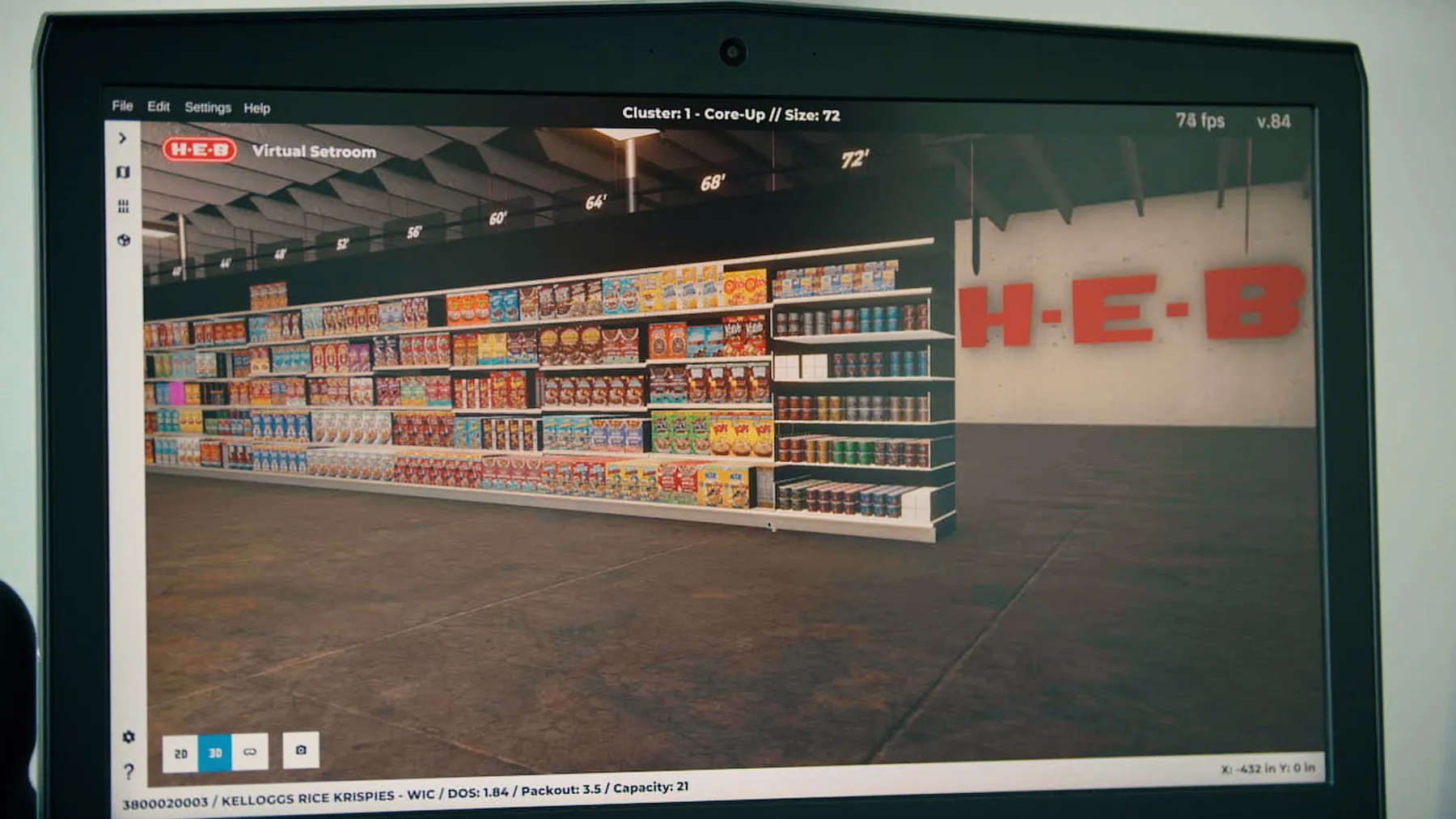
  • 3D store digital twins. Full 3D versions of your stores where merchants can place and review products from a laptop or in VR.
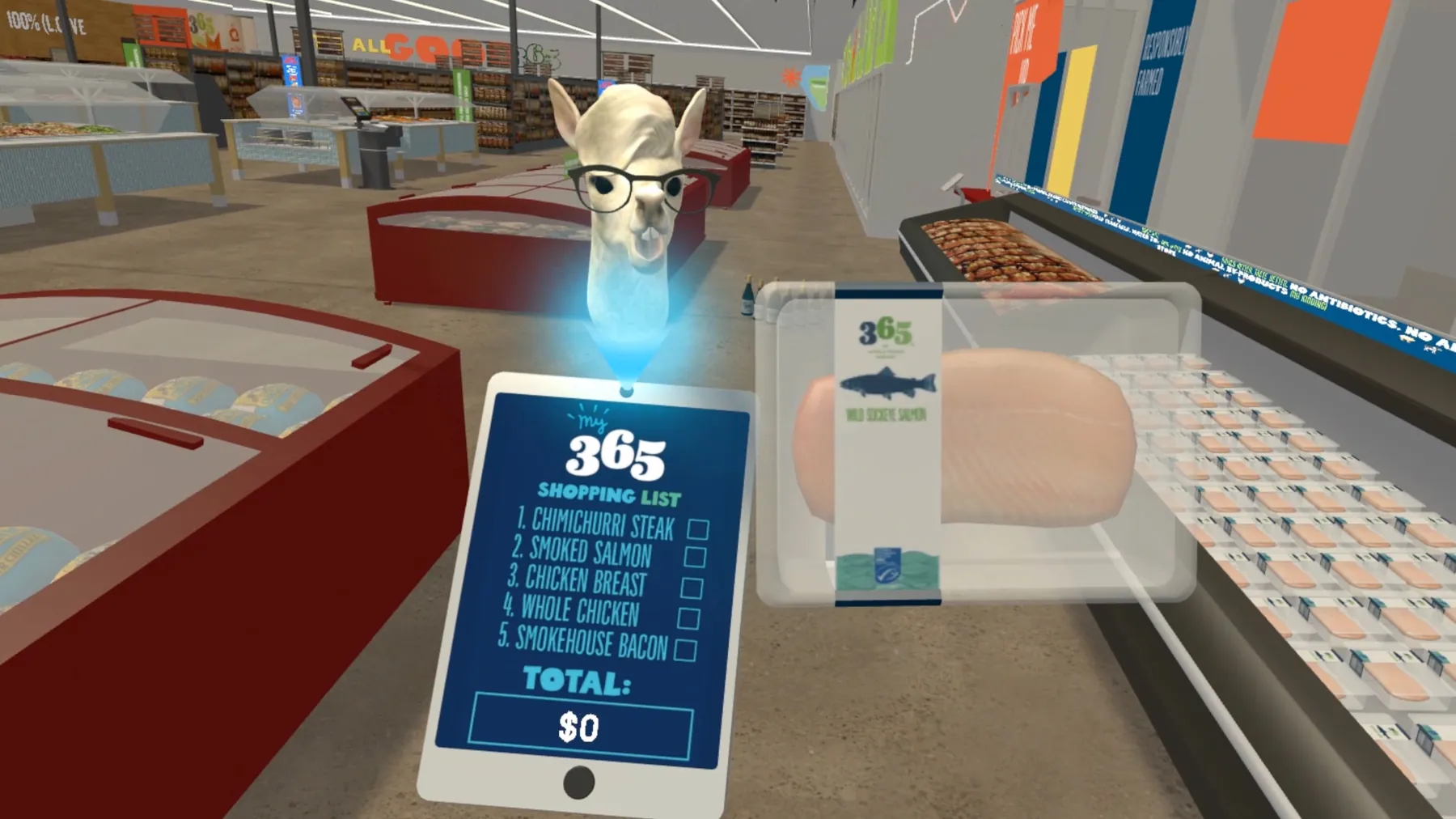
  • VR store walkthroughs. Let teams explore a new format, layout, or concept store at a conference or in training before it opens.
  • AR and computer vision on the shelf. Interfaces that overlay counts and guidance on real shelves, for inventory and compliance work.
  • Searchable shelf photos. ShelfImages, our own app, turns folders of store and aisle photos into something your team can search and compare across stores.

Retail work

How a project runs

  1. A 30-minute call. You tell us which decision is slow, expensive, or hard to see. We tell you which format fits.
  2. Start small. One store, one category, or one format. Enough to prove it to the people who sign off.
  3. Build and test with merchants. The people who will use it see working versions early.
  4. Roll out. Add stores, categories, and teams once the first one earns its keep.

Frequently asked questions

What is a store digital twin?

It's an accurate 3D copy of a real store, built in a game engine, that people can walk through and change on a computer. For H-E-B, we built 3D versions of their stores in Unity so merchants could visualize products in the store environment from their laptops or in VR.

Do merchants need VR headsets?

No. A digital twin runs on a regular laptop. VR is an option for reviews and presentations where being "inside" the aisle helps, but it isn't required.

Can you use the store photos we already have?

Yes. Our ShelfImages app is built for exactly that: it takes the shelf and aisle photos your field teams already shoot and makes them searchable and comparable. Send a handful from one store and we'll show you your own aisles in it.

Can VR help us launch a new store format?

Yes. For Whole Foods 365, we built a VR walkthrough of the new store format for their team conference. Attendees, most of whom had never tried VR, explored the store and its new features firsthand with a guide character leading the way.

How much does it cost?

Most of our projects land between $50,000 and $200,000. A focused pilot, like one store or one category, can start around $10,000. We'll give you a fixed estimate after a short call.

Where is Fair Worlds based?

Austin, Texas and Seattle, Washington. We work with retailers and brands across the US.

You might recognize some of our clients

AmazonDellThe New York TimesBlixNPTAMDEnvironmental Defense FundH-E-B
Fair Worlds

Want to see your own aisles in 3D?

Tell us about a merchandising decision that's hard to make on a spreadsheet. We'll show you what it could look like.